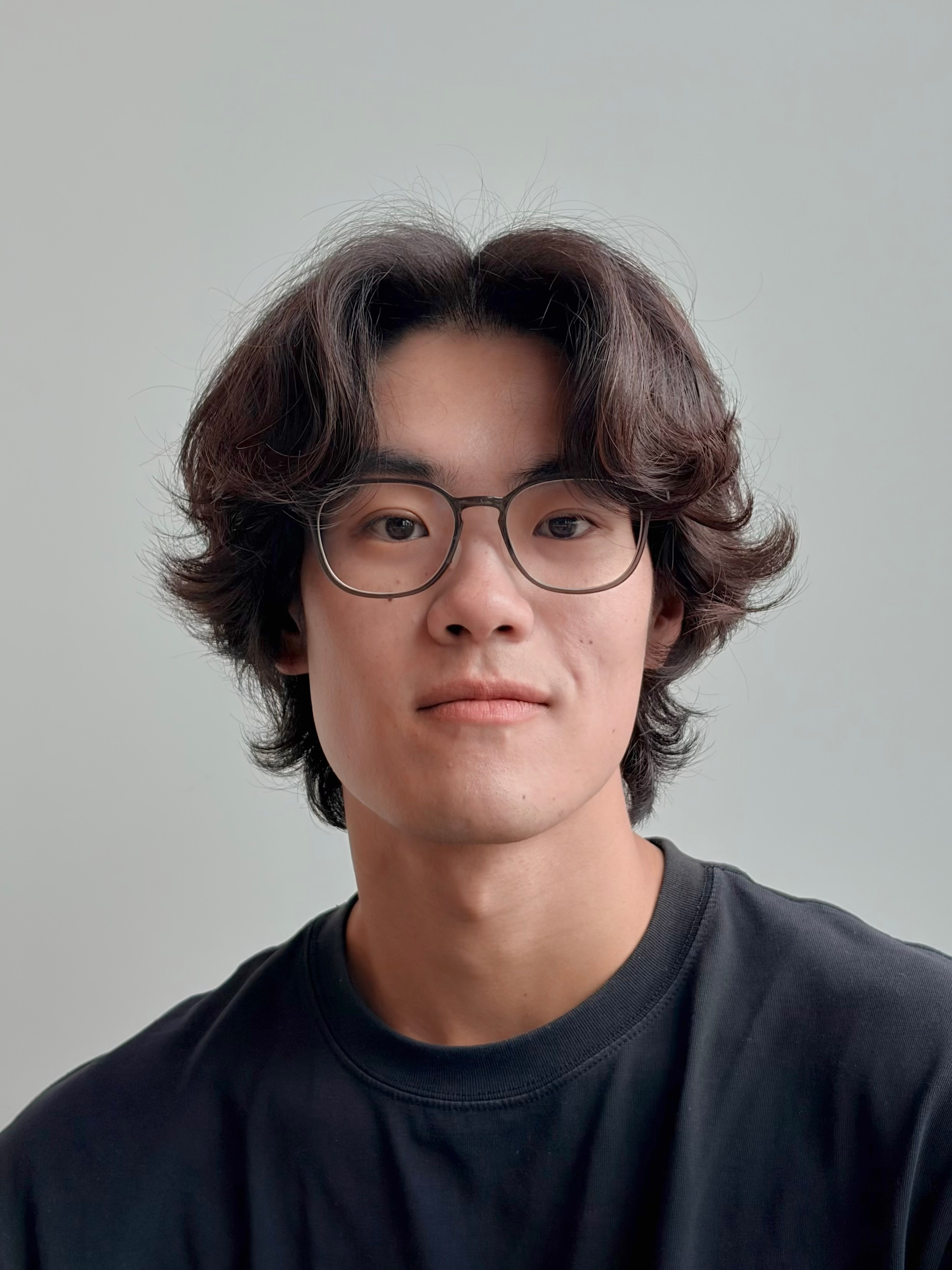
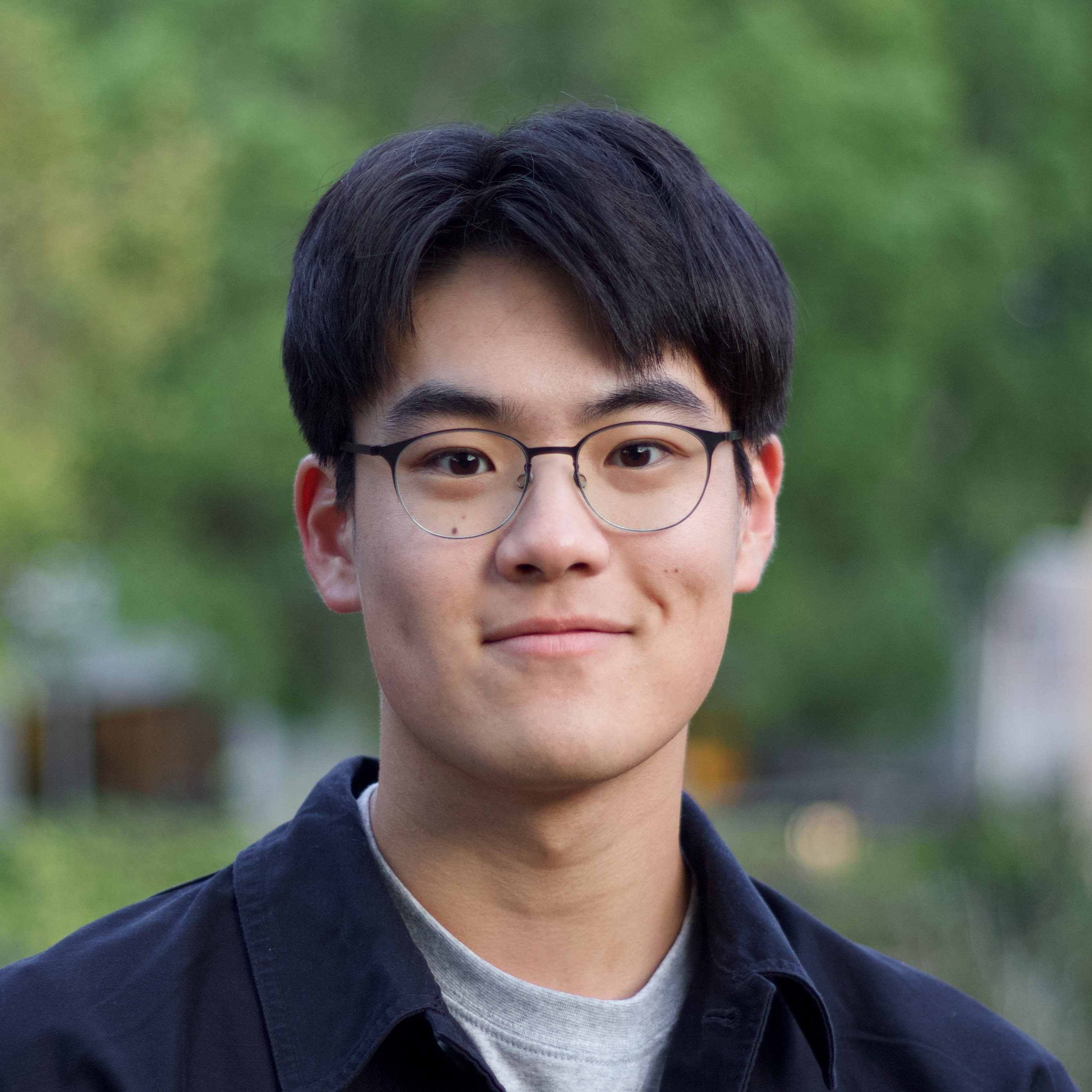
A medium close-up portrait photo of Bryan Min

Bryan Min

I'm a third-year Ph.D. student at UC San Diego doing research in Human-Computer Interaction. I work with Prof. Haijun Xia as part of the Foundation Interface Lab

My research centers around Malleable Software, software that users can easily and expressively modify and extend to their desired needs.

Recently, I've been exploring malleable software under the world of generative user interfaces (GenUI). Generative AI can now automatically build almost anything we envision. Yet, we're still generating the same traditional interfaces we've always had. How must we design generative user interfaces differently compared to the traditional user interfaces we have today? What does GenUI Design look like, as opposed to UI Design?

My research centers on malleable software—interfaces that enable users to easily, expressively, and broadly customize their software interface without code or a bloated list of settings. Specifically, I explore how we can bring malleable software to real-world, production-grade software systems, considering the tensions between designers, developers, and end-users. To do so, I study these three user groups, create interaction techniques, develop novel software systems, and create theoretical frameworks for bringing malleable software to more end-users.

My research centers on the question: How can we enable end users to easily customize their interfaces?

Traditional user interfaces show lists, widgets, text, images, and other forms of media. 

Recently, I've been exploring malleable software under the world of generative user interfaces (GenUI). Generative AI can now automatically build so many kinds of interfaces for us. Traditional user interfaces show lists, widgets, text, images, and other forms of media. Now that generative UI is coming around, we're able to see that it can generate almost anything we envision. Yet, we're still generating the same traditional interfaces we've always had. How must we design generative user interfaces differently compared to the traditional user interfaces we have today?

I'm open to working with undergrad and masters students! Read my papers and email me if interested.

Research Opportunities

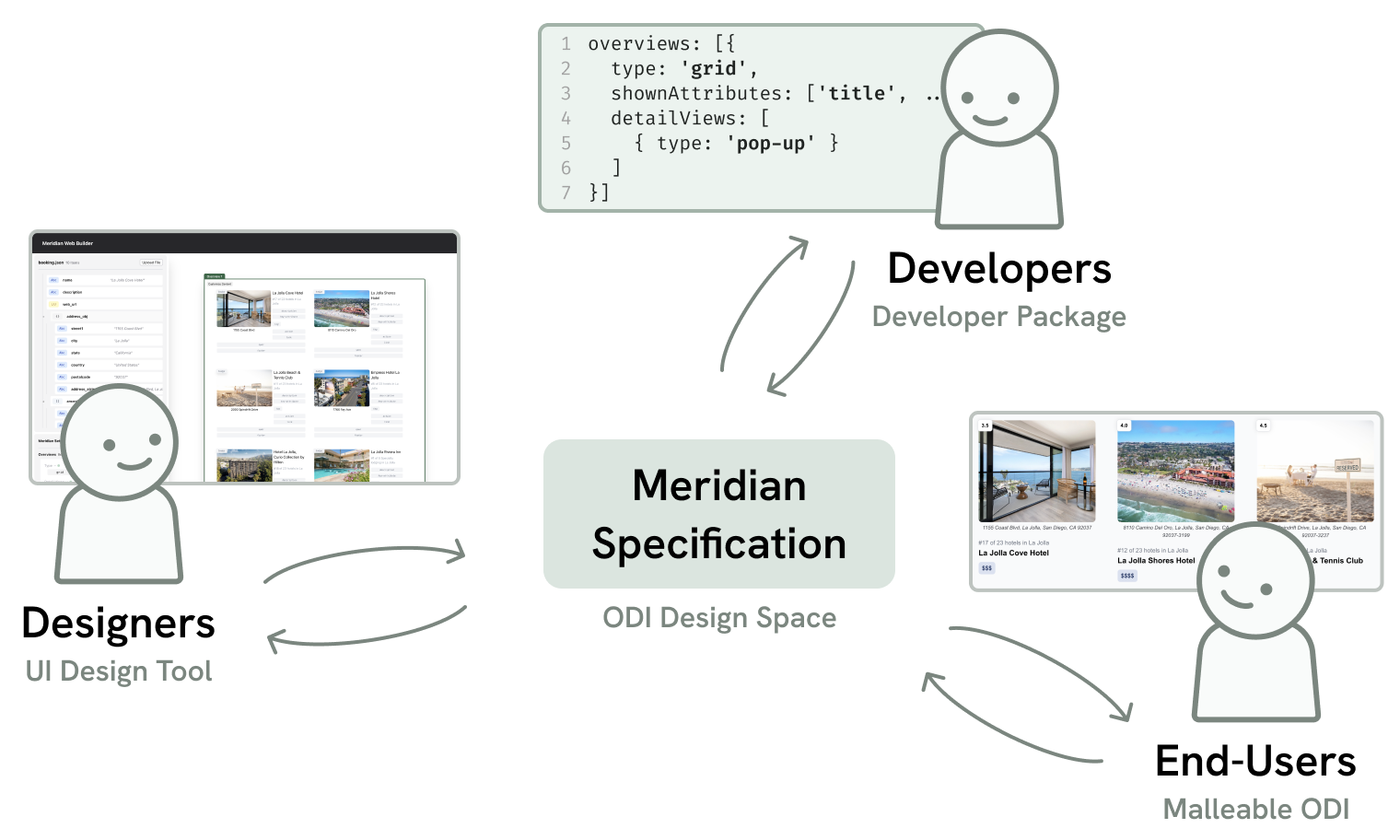
Meridian is now open-source! I'm currently looking for excited developers to join me in growing Meridian. If you're interested, please read the paper and email me!

(Tell me about your background and why you're interested in the project.)

News

Sept 28 - Oct 1I attended UIST 2025 in Busan, South Korea to present Meridian.

Publications

Information Architecture as a Shared Language for Generating Aligned and Persistent User Interfaces
UIST 2026 (To appear)

Information Architecture as a Shared Language for Generating Aligned and Persistent User Interfaces

Eunhye Kim DaEun Choi Bryan Min Hyunjung Yi Yue Jiang Juho Kim

Coming Soon

Making Abstraction Concrete: A Design Space and Interaction Model of Abstraction in Interactive Systems
arXiv (May 2026)

Making Abstraction Concrete: A Design Space and Interaction Model of Abstraction in Interactive Systems

Bryan Min Sangho Suh Jim Hollan Haijun Xia
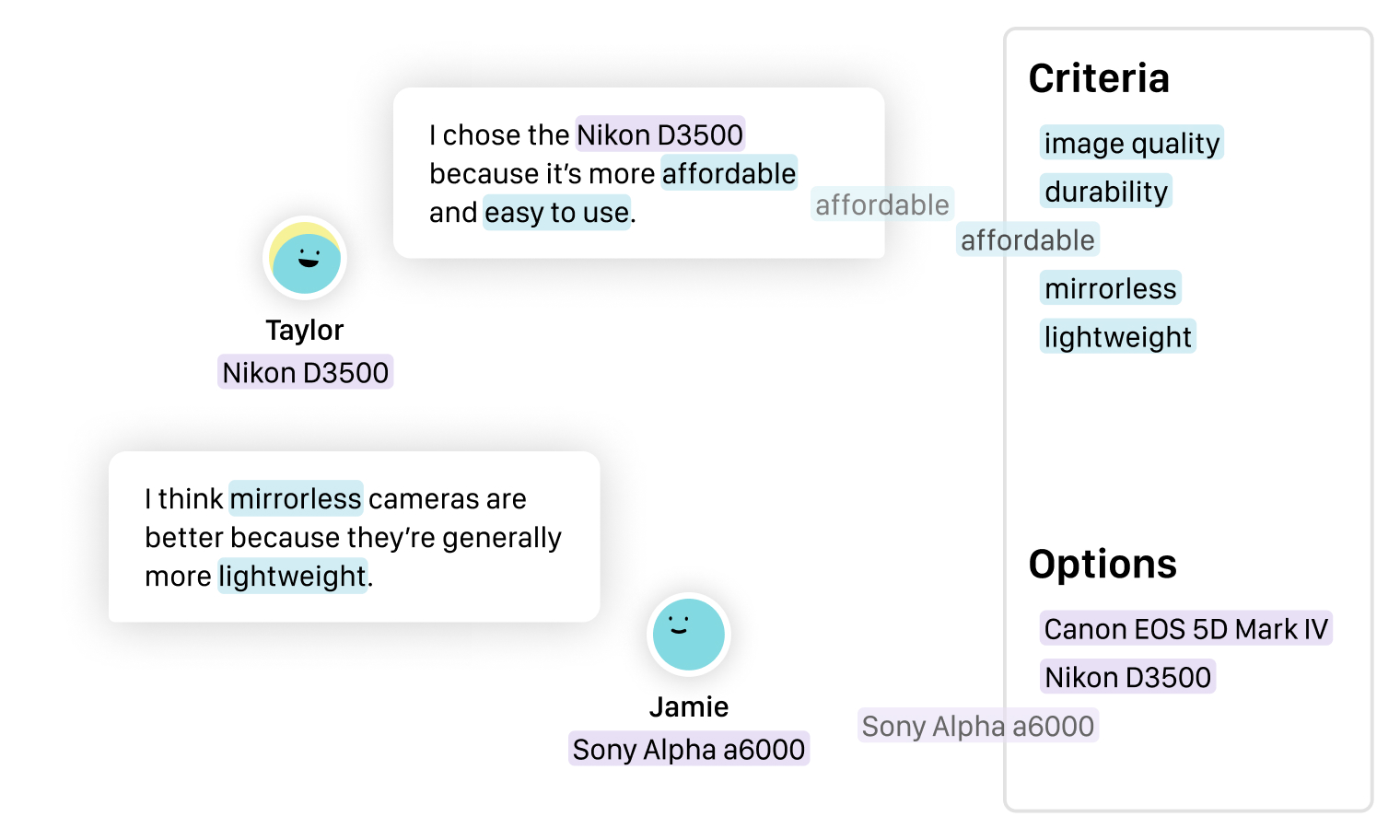
ChoiceMates: Supporting Unfamiliar Online Decision-Making with Multi-Agent Conversational Interactions
IUI 2026

ChoiceMates: Supporting Unfamiliar Online Decision-Making with Multi-Agent Conversational Interactions

Jeongeon Park Bryan Min Kihoon Son Jean Y. Song Xiaojuan Ma Juho Kim
DOI
Meridian: A Design Framework for Malleable Overview-Detail Interfaces
UIST 2025

Meridian: A Design Framework for Malleable Overview-Detail Interfaces

Bryan Min Haijun Xia
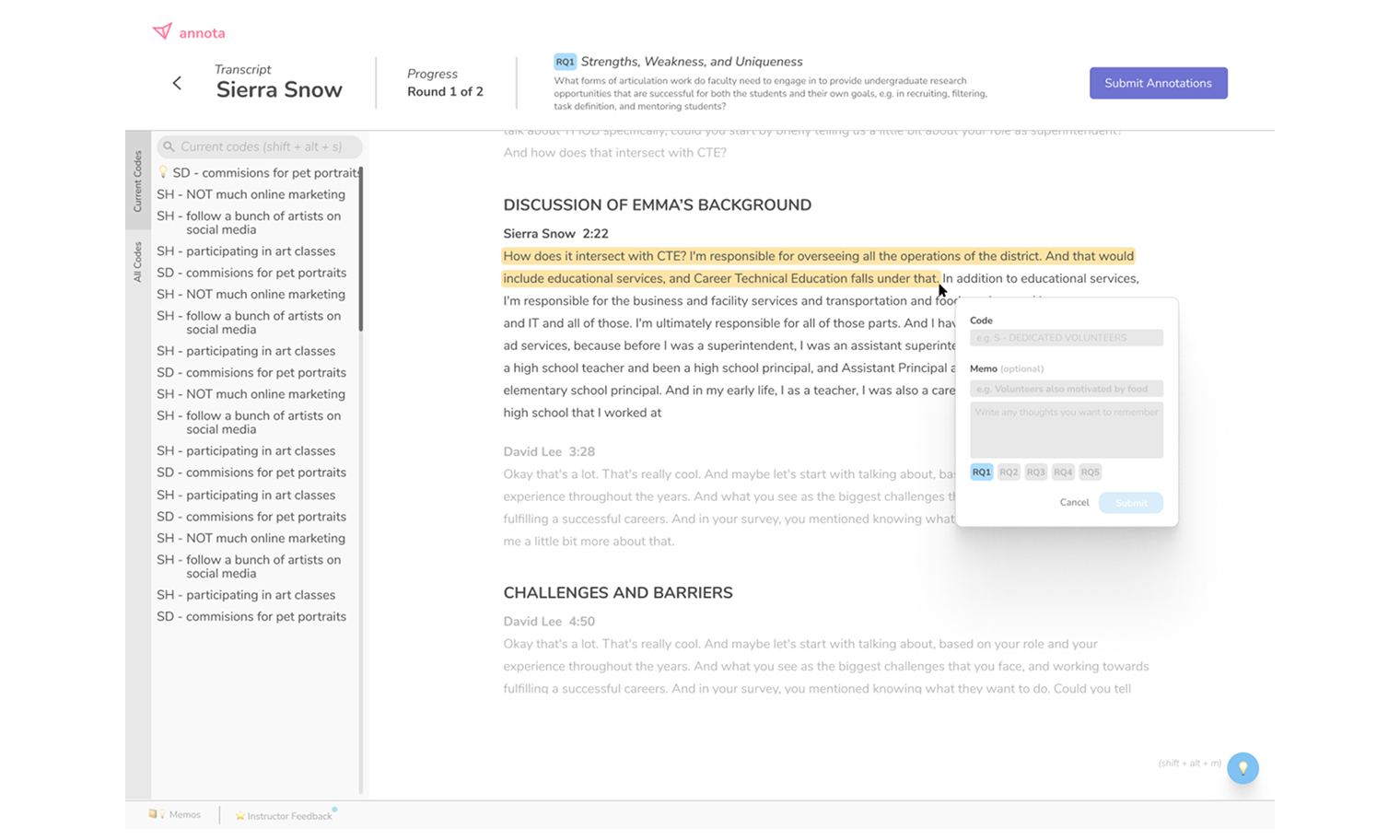
Lessons from Designing a Course and Platform for Teaching Qualitative Analysis Experientially in a Large Course-Based Community Consultancy
ICER 2025

Lessons from Designing a Course and Platform for Teaching Qualitative Analysis Experientially in a Large Course-Based Community Consultancy

Dustin Palea Elijah Kirby Madison Gruender Bryan Min Jessalyn Wang David Lee
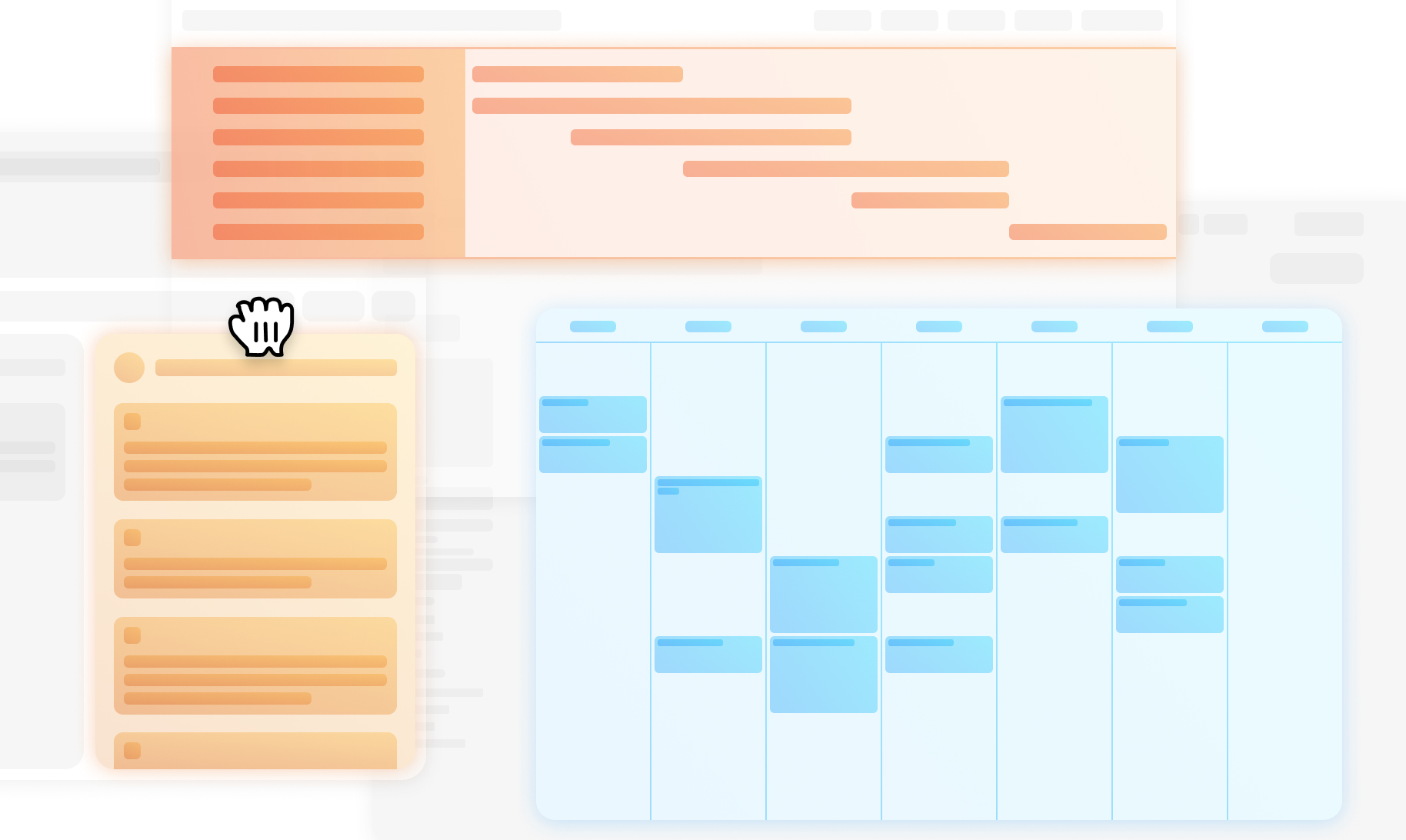
Malleable Overview-Detail Interfaces
CHI 2025

Malleable Overview-Detail Interfaces

Bryan Min Allen Chen Yining Cao Haijun Xia
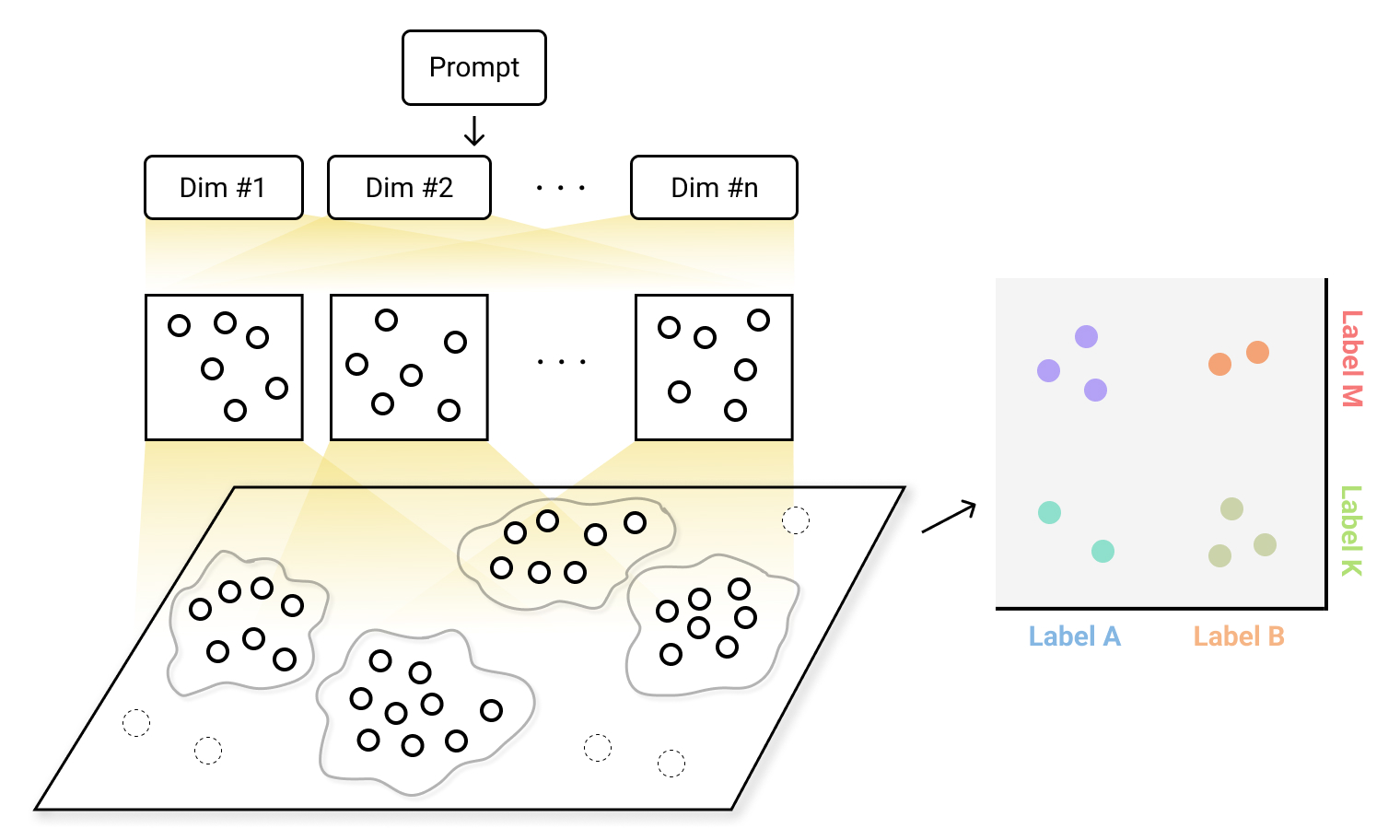
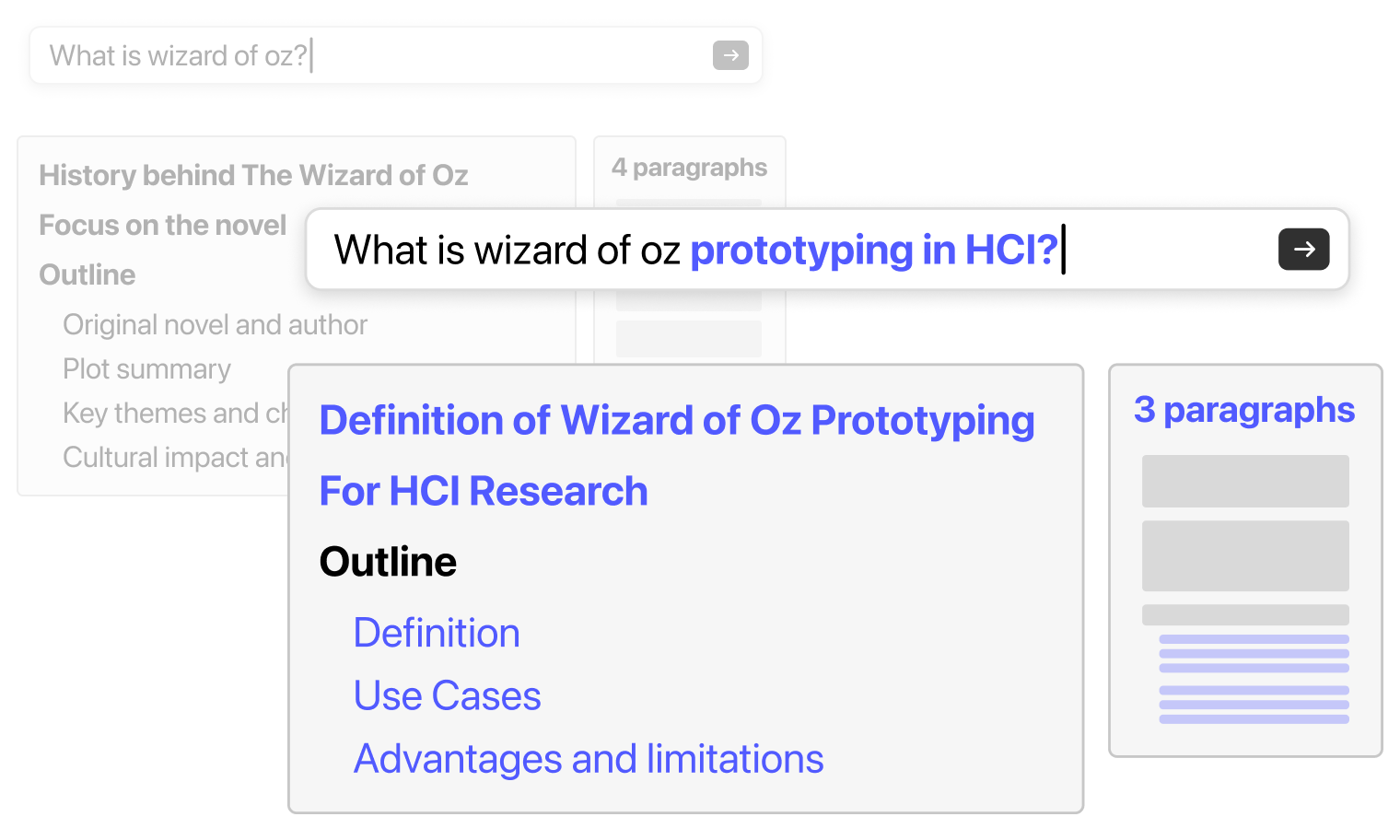
Luminate: Structured Generation and Exploration of Design Space with Large Language Models for Human-AI Co-Creation
CHI 2024

Luminate: Structured Generation and Exploration of Design Space with Large Language Models for Human-AI Co-Creation

Sangho Suh* Meng Chen* Bryan Min Toby Jia-Jun Li Haijun Xia
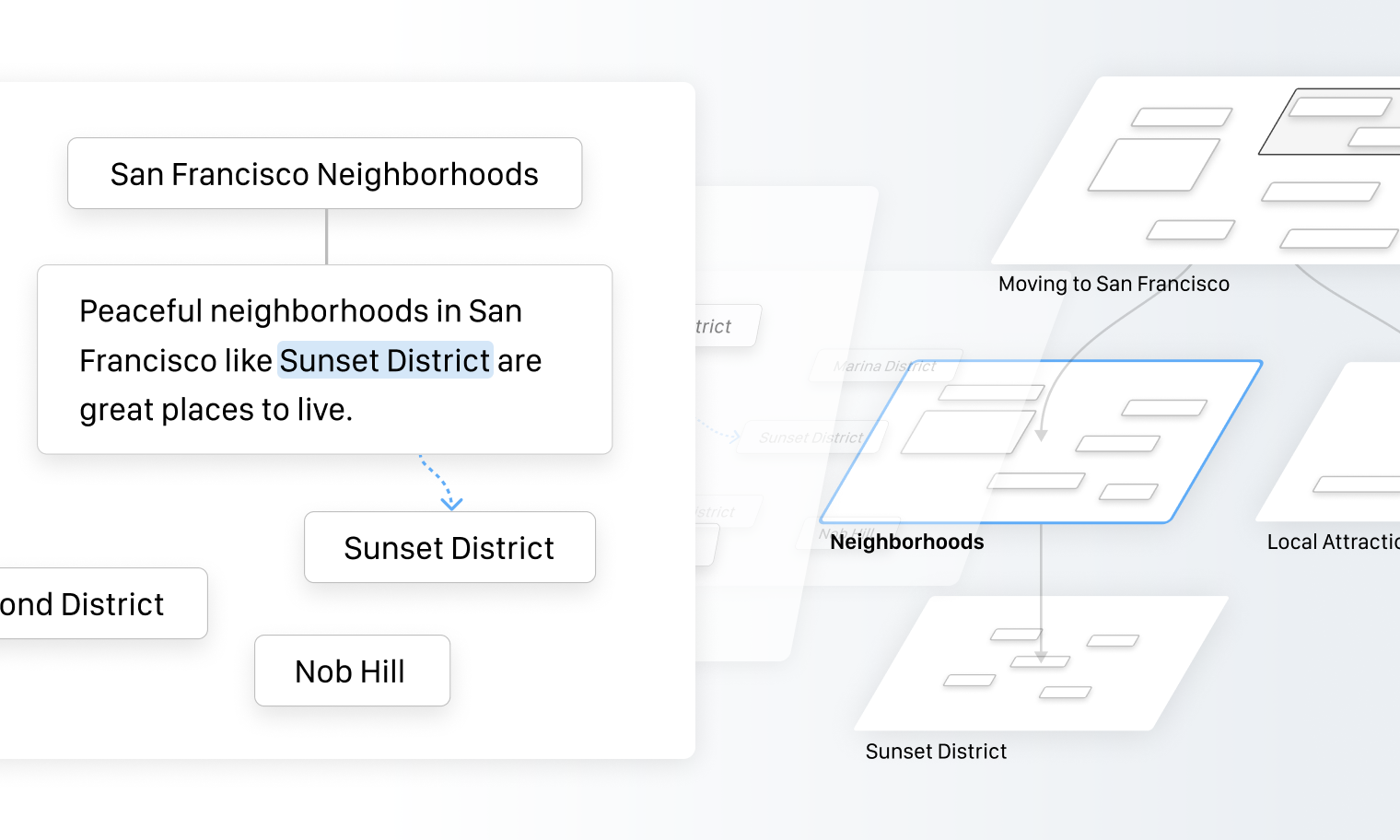
Sensecape: Enabling Multilevel Exploration and Sensemaking with Large Language Models
UIST 2023

Sensecape: Enabling Multilevel Exploration and Sensemaking with Large Language Models

Sangho Suh Bryan Min Srishti Palani Haijun Xia

Posters, Demos, and Workshop Papers

Generative UI Alone Won't Make Software Malleable
CHI 2025 Workshop on HCI for GenUI

Generative UI Alone Won't Make Software Malleable

Bryan Min
Feedforward in Generative AI: Opportunities for a Design Space
CHI 2025 Workshop on Tools for Thought

Feedforward in Generative AI: Opportunities for a Design Space

Bryan Min Haijun Xia
Demonstration of Masonview: Content-Driven Viewport Management
UIST 2023 Demos
Best Demo Honorable Mention

Demonstration of Masonview: Content-Driven Viewport Management

Bryan Min Matthew T Beaudouin-Lafon Sangho Suh Haijun Xia